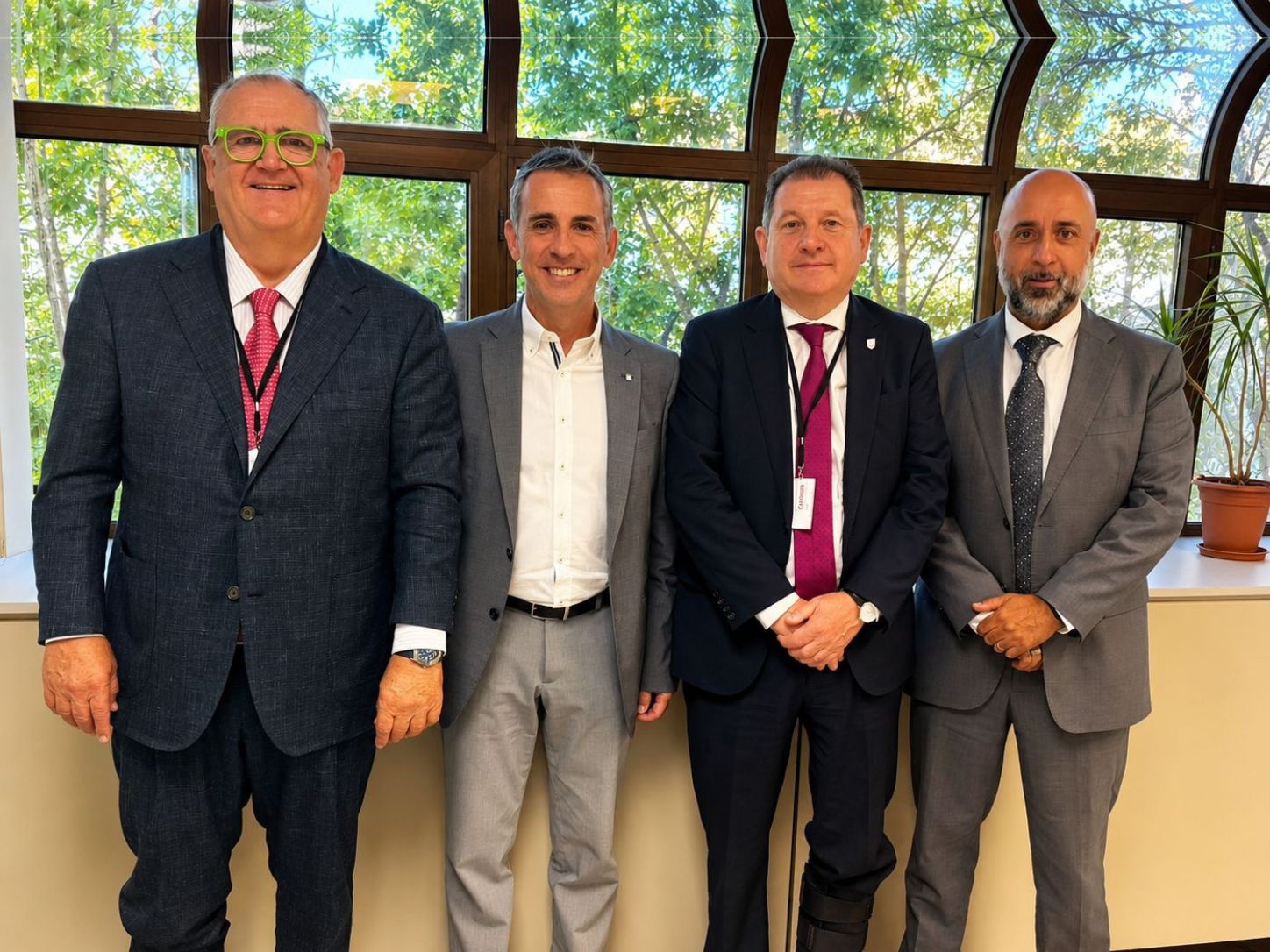
CICAE, the Association of Private and Independent Schools, held a working meeting yesterday with the Secretary of State for Education, Abelardo de la Rosa, and with various representatives from the Ministry of Education, Vocational Training, and Sports, including the minister’s chief of staff, with the aim of learning firsthand how the government plans to address the announced reduction in class sizes in the first cycle of early childhood education (ages 0–3).
The meeting was held in response to the need to hear the proposal directly from those responsible for it, since, to date, no draft regulation or legislative initiative has been made public that specifies the content of the measure, its implementation timeline, or its scope. During the meeting, CICAE requested information on the proposed regulatory instrument, the implementation timeline, and the economic and social impact studies supporting the proposal, in order to assess its actual effects on the education system.
CICAE conveyed the sector’s deep concern regarding the potential consequences of this initiative on the first cycle of early childhood education (ages 0–3), where a reduction in student-to-teacher ratios that is not accompanied by sufficient funding would seriously jeopardize the viability of numerous centers. CICAE explained to the Ministry that the measure, as announced, could jeopardize the continued operation of a significant portion of the more than 3,200 private early childhood schools in Spain, as well as the early childhood education programs integrated into private schools, resulting in job losses and a significant reduction in educational options for families.
The association warned that the impact would be felt most acutely by small and medium-sized educational businesses that provide an essential service for work-life balance and early childhood development.
CICAE also noted that Spain has for years been promoting early childhood education for children ages 0 to 3 as a strategic policy to foster work-life balance, equal opportunities, and early access to education. In this context, it believes that any change to class size ratios must be accompanied by a rigorous analysis of its consequences and a funding plan that ensures the sustainability of the centers.
The association stated that the increased costs resulting from a potential reduction in student-to-teacher ratios cannot fall solely on families. If the government deems this measure necessary, it should establish funding mechanisms or direct aid that would allow access to this stage of education to be maintained without compromising the viability of the schools.
CICAE expressed concern about the uncertainty this announcement is causing among center directors, early childhood education professionals, and families, who do not know what the actual scope of the measure will be or how it will affect the continuity of educational services.
The association warned that any significant reduction in the number of available spots resulting from the financial unviability of these centers could lead to a setback in the process of enrolling children in the first cycle of early childhood education. After years of effort to consolidate a professionalized educational model and expand families’ access to this stage, a decrease in available spots could push some families toward non-school-based care options due to financial constraints or a lack of spots, which would represent a step backward from the progress Spain has made in early childhood education for children ages 0 to 3.
The meeting took place in an atmosphere of dialogue and mutual respect on both sides. CICAE conveyed to the Ministry the need for any reform of this scope to be accompanied by a rigorous study of its economic, labor, and social impacts, as well as a funding plan that guarantees the sustainability of the centers, preserves jobs, and ensures that no family has its access to early childhood education limited for financial reasons.
The association offered to collaborate with the Ministry by providing data, knowledge, and the experience of educational institutions, with the goal of ensuring that any decision made is the result of dialogue with the sector and allows for reconciling improvements in educational quality with the sustainability of educational projects, job stability, and families’ right to choose the education they want for their children.